

This edition of Policy Perspective, provides some details on one of two proposed pieces of legislation that would provide additional protection for students in Colorado. ADVOCACYDENVER stands in support of this legislation.
Federal and state laws protect Colorado’s students in PK-12 schools and institutions from discrimination across a wide range of characteristics. Among these laws, Title VI of the Civil Rights Act prohibits discrimination based on race, color, or national origin in all schools that receive federal funding. Title IX of the Education Amendments of 1972 prohibits sex-based discrimination in these same schools. The Colorado Anti-Discrimination Act and other state statutes prohibit discrimination in public schools that is based on disability, race, creed, color, sex, sexual orientation, gender identity, gender expression, religion, or national origin.
Although these laws have been enacted for years, enforcement of these laws is notoriously slow, inconsistent, and costly for both families and school districts. Federal databases show that the Office of Civil Rights (OCR) in the U.S. Department of Education, which handles all discrimination complaints about schools for the federal government, currently has 223 open investigations for the state of Colorado alone. Some of these investigations were opened as far back as 2014. In fact, ADVOCACYDENVER has a complaint that has been pending since 2020. These delays have been further exacerbated by severe staffing cuts made at OCR by the Trump administration since January 2025.
Aside from submitting complaints to OCR, families have the option of pursuing civil litigation against schools that violate anti-discrimination laws. Doing so usually requires families to put up substantial financial resources and to find an attorney who specializes in education law. As such, families who are marginalized are rarely able to pursue this option.
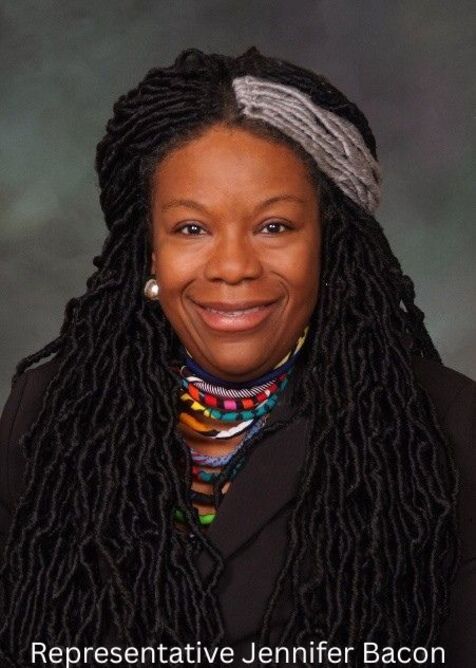
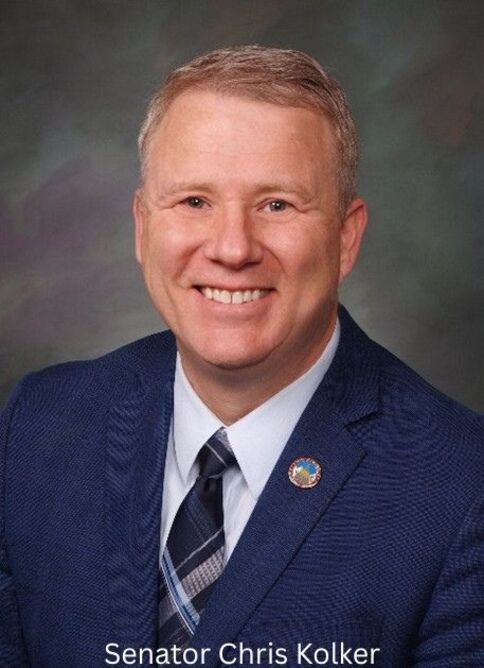
Two members of the Colorado General Assembly, Representative Jennifer Bacon (D-Denver) and Senator Chris Kolker (D-Arapahoe & Jefferson County) put forth a bill this session to help provide families and schools with tools to and enforcement procedures when they are discriminated against in the state’s public schools and universities. HB26-1141: Discriminatory Practices in Public Schools, if enacted, would allow state-level enforcement of anti-discrimination laws in ways that are currently not authorized in state law.
Specifically, HB26-1141:
- Defines and clarifies discriminatory education practice beyond what is currently contained in state law.
- Allows a person who is alleging discrimination in education in both public schools and higher education institutions to file a complaint with the Colorado Civil Rights Division.
- Allows the Colorado Civil Rights Division and the state Attorney General to file complaints on behalf of groups of students.
- Requires school districts to first offer families a mediation process before the Civil Rights Commission initiates an investigation into the complaint. Families may decline the mediation offer.
- Requires the Civic Rights Commission to coordinate with the Colorado Department of Education in investigating disputes, as well as determining and implementing how these disputes are to be resolved.
- Requires institutions of higher education to designate a Title VI coordinator and to establish procedures to resolve Title VI disputes.
The House Education Committee passed HB26-1141 in February, and the bill has been waiting to be heard by the House Appropriations Committee since that time. Given the state’s budget challenges this year, the Appropriations Committee may be hard pressed to find the funding for the bill’s relatively meager $815,000 price tag.
Colorado House Assistant Majority Leader and bill sponsor, Representative Jennifer Bacon (D-Denver) stated,
“Colorado schools should be a safe place for children to learn and grow, and if they experience discrimination based on their race, sexual orientation or disability, they should absolutely have a path to righting the wrongs made against them. This bill would create a positive learning environment and ensure access to the quality education that Colorado children deserve, uplifting all students and preparing them for success.”
“It’s really important for state governments to make up for the lack of federal enforcement by strengthening civil rights protections.”
ADVOCACYDENVER is in strong support of HB26-1141. Our reasons for doing so include:
- The bill would make up for a serious gap in federal enforcement of discrimination law in schools and universities by enacting a state process. This process helps to ensure that ALL of Colorado’s students are welcome, safe, and well-served in our schools.
- By starting with a mediation process, the bill would provide all Colorado families, regardless of background, with a more accessible point of entry into resolution of discrimination complaints. Families will not need to hire attorneys to file a claim or engage in mediation.
- Mediation also allows for collective problem-solving and serves to promote collaborative relationships between families and schools. Students and families are tethered to the same schools for years at a time. Mediation can help to avoid the development of acrimonious relationships that can linger on and on. That said, when families feel the discrimination is severe enough and blatant enough, they can forego the mediation and enter the formal complaint process right away.
- The mediation process is far less expensive than ongoing investigations and litigation. As such, the bill would possibly save districts and families a substantial amount of money over time.
- Finally, the bill would not preclude any federal or civil action. State processes would be put on hold should any federal investigation start. Families would still be able to pursue civil litigation against school districts should they feel it is warranted.
In an upcoming issue of Policy Perspective, we will cover the companion bill to HB21-1141. SB-125: Disability Rights Protections in Public Schools would provide state-level protections to students with disabilities that are currently only available through federal law.
ADVOCACYDENVER encourages you to make sure that your voice is heard in the legislative process by writing or calling your state legislators. Tell your story about how legislative decisions will impact your life. To find the names and contact information for your state legislators, look here.
Policy Perspective is a publication of ADVOCACYDENVER. If you have any questions, please contact Paul Baumann, Policy Outreach Specialist, at pbaumann@advocacydenver.org or 303.974.2535.